What a Fire Alarm Inspection Covers, and How to Prepare for One
An inspection is easier, faster and less disruptive when you know what the inspector is looking at before they arrive.
October 13, 2026 · 4 min read
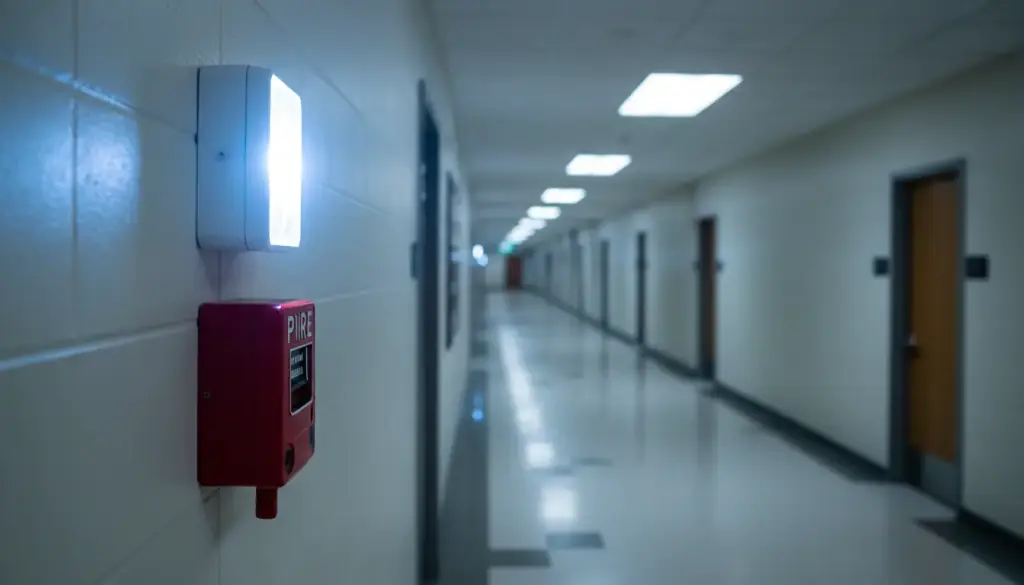
If you manage a shop, an office, a church or a small clinic, a fire alarm inspection probably shows up on your calendar as one more thing to get through. It does not have to be a headache. Knowing what the inspector is looking at, and why, makes the visit shorter and often turns up small problems before they become expensive ones.
One point first. How often a system has to be inspected, what has to be tested and what paperwork has to be kept are set by the fire codes that apply to your building and enforced locally. Your fire marshal, or whatever authority has jurisdiction over your property, is the final word on those questions, and requirements can differ from one building type and one town to the next. We will not guess at them here. Call the fire marshal's office, or ask your alarm company to help you find out what applies to you.
What the inspector looks at
A fire alarm system has several parts that all have to work together, and a thorough inspection covers each of them rather than just pressing the test button.
Detection and initiating devices come first. These are the smoke detectors, heat detectors and manual pull stations that start an alarm. The inspector checks that each one is where it should be, is clean and undamaged, is not blocked or painted over, and responds when tested. Dust, cooking residue and renovation debris are common reasons a detector stops behaving.
The control panel is the brain of the system. The inspector looks at its display for trouble or supervisory messages, checks that it responds correctly when a device is activated, and confirms that it is communicating with the monitoring center if the system is monitored.
Batteries and power are checked because a fire alarm has to keep working when the building loses electricity. A battery that was fine two years ago may no longer hold a charge, and the panel will not always tell you until it is tested.
Notification appliances are the horns, strobes and speakers that tell people to leave. The inspector confirms they sound and flash when they should, and that nothing has been added in front of them, such as shelving, signage or a new ceiling layout.
Records round out the visit. Inspectors and fire marshals often want to see the history: earlier inspection reports, service visits, and notes on past problems and how they were fixed. A system with a clean paper trail is much easier to inspect than one where nobody can find the last report.
How to prepare before the visit
You do not need to be an expert, but a few preparations help. Start by telling your staff when the inspection is happening. Alarm testing is loud, and people who are not expecting it may be startled or may assume it is a real emergency.
- Find your previous inspection and service reports and put them in one place.
- Clear access to the control panel, and to any closets or ceilings where devices are mounted.
- Make a note of anything that has changed since the last inspection, such as new walls, a remodeled room, a new tenant, or added storage.
- Write down any trouble beeps, false alarms or odd behavior you have noticed so the technician can look into them.
- Ask how test signals will be handled with your monitoring center, so a test does not send out a real response.
If your building has more than one tenant or more than one floor, plan for access. Locked offices, closed storage rooms and unavailable keyholders are the most common reasons an inspection runs long or has to be repeated.
What happens when something fails
A failed device is not a disaster. It is exactly what an inspection is for. A detector that does not respond, a weak battery or a horn that does not sound gets documented, and then it gets repaired or replaced. The worse outcome is the same failure staying hidden until the night you actually need the system.
Ask for the findings in writing, with a clear note of what was repaired, what still needs attention and what the recommended next step is. If a deficiency affects your ability to keep the building occupied or open, ask your fire marshal directly what is required while it is being fixed. That decision is theirs, not ours.
Choosing who does the work
The best inspection is one done by people who understand the equipment on your wall. Our fire alarm team at Certified Alarm is NICET-certified, and we install and service systems built around UL-listed equipment, including as certified installers for Bosch and First Alert. We handle inspections, design, installation, service and 24/7 monitoring, which means the people who inspect your system can also fix it.
If you want a second set of eyes on your fire alarm, or you are not sure what your building needs, Certified Alarm in Sheffield offers a free consultation, in person or by Zoom, FaceTime or Google Meet. Call us at (256) 406-2039.
Certified Alarm Company of Alabama Inc, (256) 406-2039
Call (256) 406-2039More articles
What Alarm Monitoring Actually Does After a Sensor Trips
Between a tripped sensor and a person showing up, there is a chain of steps, and each link in that chain is worth understanding.
Choosing a Personal Emergency Button for a Parent Living Alone
The best device is the one your parent will actually wear, so the conversation matters as much as the equipment.